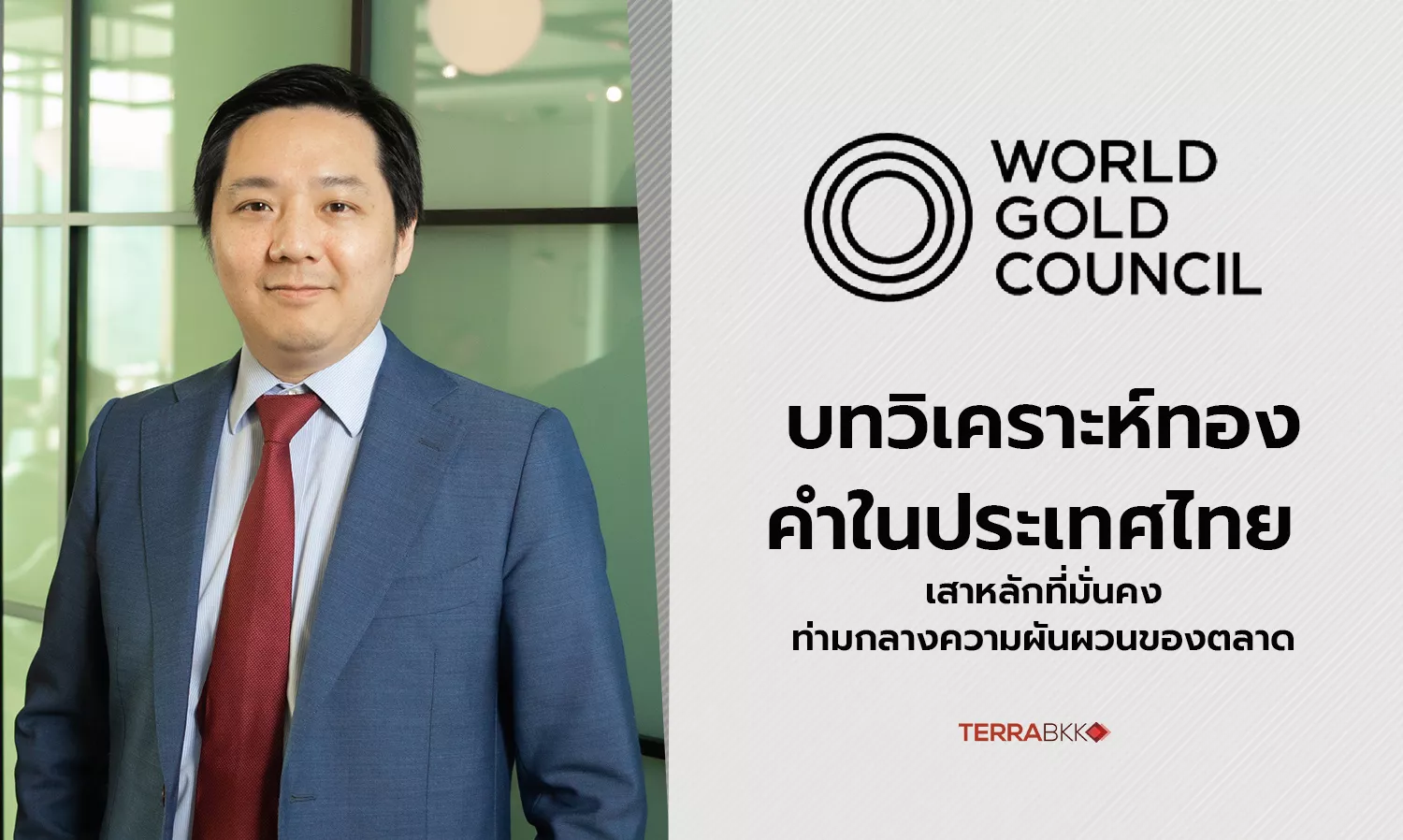
Analysis of Gold in Thailand: A Stable Pillar Amid Market Volatility
Increasing gold in an investment portfolio is another option that can reduce risk, decrease volatility, and mitigate the impact of losses during uncertain economic times.
For centuries, gold has played a significant role in the culture and history of Thailand as a symbol of wealth and prosperity. Today, gold is regaining popularity as an attractive alternative investment, especially in 2025, as Thailand and the world face economic volatility and geopolitical tensions. The unique properties of gold, such as liquidity and its enduring value during crises, make it particularly appealing to both new Thai investors and other investor groups.

According to the World Gold Council's report on gold demand trends for the second quarter of 2025, gold demand in Thailand remains high:
- Overall gold consumption demand surged by 25% compared to the same period last year, increasing by 11.6 tons compared to the second quarter of 2024.
- Investment in gold bars and coins increased significantly by 38%, accounting for 10 tons in this quarter, marking the strongest growth among ASEAN countries, while most other countries saw a decrease in investment volume.
- Investment in gold bars and coins grew by 35% compared to the previous quarter, reflecting the continued strong demand for gold investment among Thai investors, even as global gold prices approached record highs.
- Thai investors continue to hold gold, with a significant decrease in recycled gold volume, reflecting confidence in the upward trend of gold prices and the use of gold as a risk management tool in investments.
This strong domestic demand challenges the broader economic pressures that often affect consumer confidence.
Globally, total gold demand (including over-the-counter trading) reached 1,249 tons in the second quarter of 2025, an increase of 3% compared to the same period last year. This growth is driven by strong investment flows, particularly in gold-backed exchange-traded funds (ETFs), which saw net inflows of 170 tons in this quarter and 397 tons in the first half of the year, the highest level since 2020. Funds registered in Asia, including Thailand, played a significant role with inflows reaching 70 tons, matching the inflows from the United States.

The latest analysis of gold ETFs in July from the World Gold Council revealed additional insights:
- Investment inflows into gold ETFs worldwide remain strong, with an additional $3.2 billion flowing in July 2025, bringing the assets under management (AUM) to a record high of $386.4 billion.
- The volume of gold held through ETFs globally increased by 23 tons in July, totaling 3,639 tons, marking the highest end-of-month value since August 2022.
- Investment is widely diversified with high liquidity; while North America and Europe lead in inflows ($1.4 billion and $1.8 billion, respectively), funds in Asia also saw growth, led by Japan and India. Trading volumes across all regions remain strong, reflecting good liquidity and access to gold investments.
- Although trading volumes of gold ETFs decreased by 15% compared to the previous month in July, trading volumes still exceeded the average of 2024, reflecting ongoing interest and resilience in gold investments.
Additionally, the market responded positively to signals from the U.S. Federal Reserve during the meeting in Jackson Hole, with global gold demand remaining strong. Expectations of interest rate cuts make gold even more attractive and strengthen its position in the market.
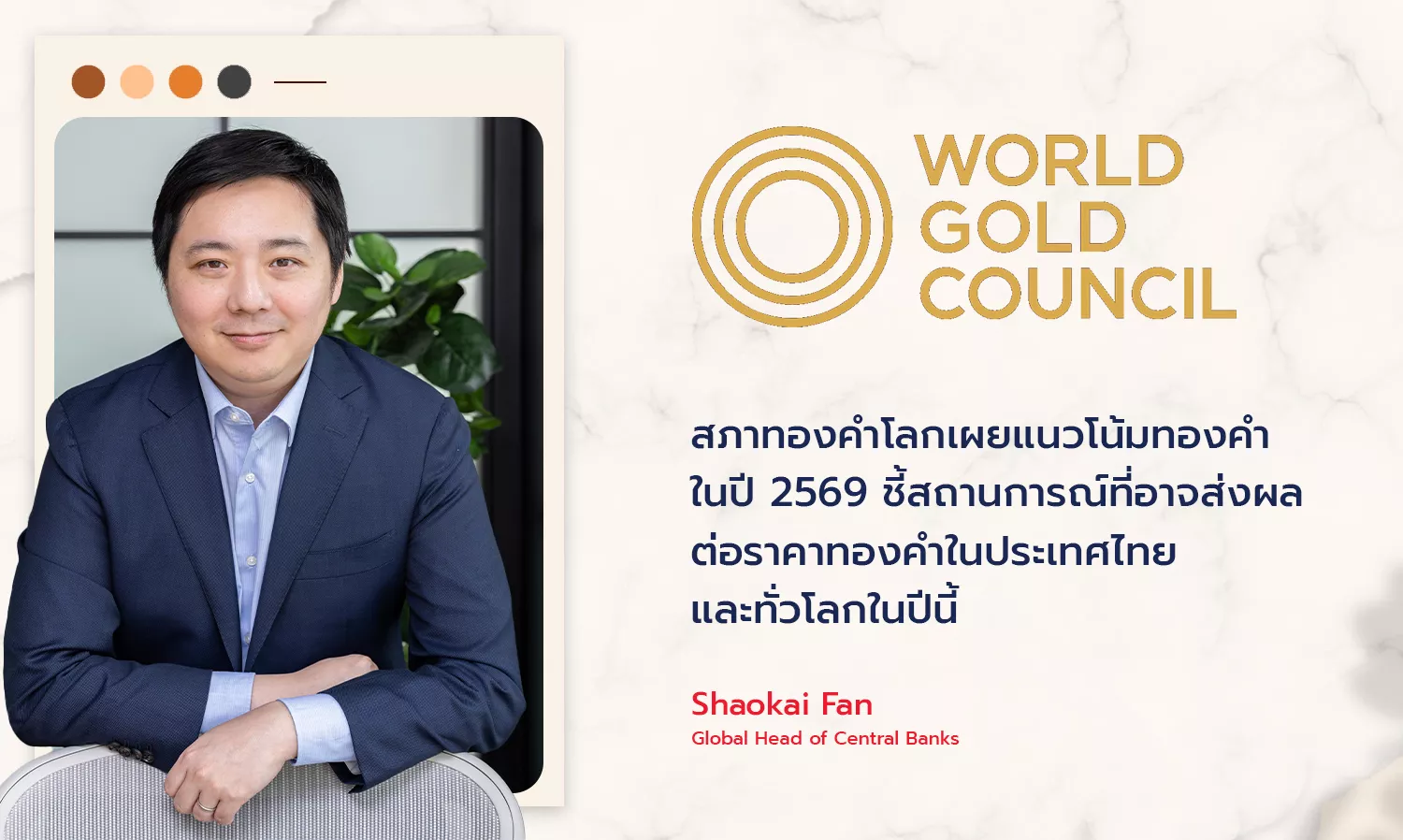
Shaokai Fan, Head of Asia-Pacific (excluding China) and Global Central Bank Division at the World Gold Council, stated, “The significant increase in gold demand in Thailand, particularly in the form of gold bars and coins, reflects that Thai people use gold as a tool for both preserving wealth and actively seeking returns. This growth trend aligns with the rising investment in gold ETFs globally and reinforces the international movement viewing gold as both a risk-hedging asset and a strategic tool during market volatility.”
Looking ahead, the World Gold Council forecasts a positive outlook for gold prices in mid-2025, expecting prices to maintain or increase, targeting between $3,100 and $3,500 per ounce, and potentially higher if global economic uncertainties continue. Factors such as rising import taxes, persistent high inflation, uncertainties in central bank policies, and political risks both in Thailand and abroad are expected to lead Thai investors to continue holding gold as a strategic asset in their investment portfolios through 2026.